

Table of Contents
At a Glance
Most medical schools recommend between 100 and 200 hours of clinical experience, but quality matters more than quantity. Clinical hours include any patient-facing role—such as medical assisting, EMT work, or hospital volunteering—that demonstrates your understanding of healthcare. Admissions committees look for consistent involvement, meaningful reflection, and genuine compassion. This guide explains how to get clinical experience for medical school, including what counts as clinical experience, how to find opportunities that fit your schedule, and how to turn your hours into compelling medical school application stories that showcase your readiness for a career in medicine.
Medical schools do not publish strict clinical hour requirements. This guide breaks down what qualifies as clinical experience, how to find opportunities that fit your schedule, and how to make your hours meaningful rather than just checking boxes on your application.
Definition: Clinical hours = time spent in direct patient care or observation in a healthcare setting, demonstrating your understanding of medical practice and patient interaction.
Understanding Clinical Hours for Medical School
Most medical schools recommend between 100 and 300 hours of clinical experience, though there’s no magic number. Admissions committees care more about the depth of your engagement than the total hours logged.
Clinical hours represent time spent in healthcare settings where you interact with patients or observe their care. The distinction matters because medical schools want proof you understand what working in medicine actually looks like. They’re looking for evidence of empathy, commitment to healthcare, and realistic expectations about the profession.
Here’s what admissions committees evaluate:
- Patient interaction: Direct contact with patients carries more weight than passive observation
- Sustained commitment: Consistent involvement over months or years demonstrates genuine interest rather than box-checking
- Depth of insight: Your ability to articulate what you learned and how patients affected you matters more than hitting a specific hour count
What Counts as Clinical Experience
Clinical experience includes any role where you interact with patients or observe their care in a healthcare setting. The key factor is exposure to patient care—you’re either providing it, observing it, or supporting those who deliver it.
Direct patient care roles offer the strongest experience. As a Medical Assistant (MA), you take vital signs, prepare patients for examinations, and assist healthcare providers with procedures. Emergency Medical Technicians (EMTs) respond to emergencies and provide pre-hospital care. Certified Nursing Assistants (CNAs) help patients with daily activities like bathing and dressing. Phlebotomists draw blood while interacting with patients during collection procedures. Licensed Practical Nurses (LPNs) and Registered Nurses (RNs) also engage in direct patient care, though these roles require additional training.
Observation-based experiences count too, though they typically carry less weight. Physician shadowing lets you follow doctors through their daily routines and watch patient interactions unfold. Clinical volunteering in hospitals or clinics puts you in healthcare environments where you witness the realities of patient care firsthand.
Research roles qualify if they involve patient contact. Working on clinical trials or patient-centered research studies exposes you to both the research side of medicine and actual patient interaction. The combination demonstrates interest in advancing medical knowledge while gaining clinical exposure.
Medical schools value experiences across different patient populations and healthcare settings. Variety shows adaptability and a broader understanding of healthcare challenges.
How Many Clinical Hours Do You Need
The 100 to 300-hour range serves as a baseline.
Spread your clinical hours over time. An applicant with 150 hours across two years looks more committed. Logging the same hours in one summer appears rushed. Consistency shows genuine interest.
Different clinical experiences carry different weights. Hands-on roles, such as medical assistant or EMT, are more valuable than passive shadowing. One hundred hours of direct patient care often outweighs 200 hours of observation.
Many successful medical students take gap years specifically to gain more clinical experience.
Getting Clinical Experience Through Medical Assisting
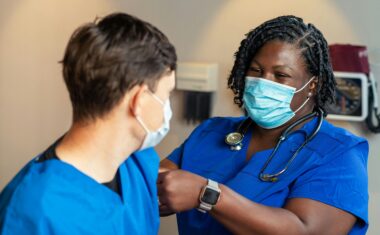
Working as a medical assistant offers comprehensive clinical exposure in a single role. Medical assistants perform both administrative and clinical duties in physicians’ offices, hospitals, and clinics, giving you broad exposure to healthcare operations.
You’ll take patient vital signs, document medical histories, prepare examination rooms, and assist physicians during procedures. You’ll also interact directly with patients, explaining procedures and providing basic care instructions. This combination of technical skills and patient interaction makes medical assisting particularly valuable for pre-med students.
Beyond technical proficiency, medical assisting provides a deep, realistic understanding of the provider-patient dynamic and healthcare operations. You’re positioned as a direct liaison between the healthcare provider and the patient, witnessing not just the diagnosis and treatment but also the emotional, financial, and logistical factors that impact a patient’s care plan. This consistent, close-up view allows you to develop the depth of insight that admissions committees value most: the ability to articulate how systemic issues (like insurance constraints or health literacy challenges) affect individual patient experiences and how you, as a future physician, will compassionately address them.
A medical assisting role typically requires certification, which you can obtain through programs lasting four to twelve months. Programs like Springboard’s Certified Medical Assistant Program offer flexible online learning combined with hands-on externship opportunities. Training prepares you for the Certified Clinical Medical Assistant (CCMA) exam administered by the National Healthcareer Association.
Medical assisting positions are widely available and often offer flexible scheduling that works around pre-med coursework. You can work part-time while completing your undergraduate degree, steadily accumulating clinical hours without sacrificing academic performance. The experience also provides realistic views of daily healthcare operations, from managing patient flow to handling insurance documentation.
Beyond the clinical hours themselves, medical assisting builds transferable skills. You’ll develop patient communication techniques, learn to work efficiently in fast-paced environments, and understand the challenges healthcare teams face daily.
Ready to start gaining clinical experience?
Apply now to enroll in the Certified Medical Assistant Program, and begin building hands-on skills.
Finding Volunteer Opportunities in Healthcare Settings
Hospital volunteering provides accessible entry points into clinical environments, especially when you’re just starting to explore medicine. Most hospitals maintain structured volunteer programs that place you in various departments, from emergency rooms to pediatric wards.
Volunteer roles typically involve patient transport, delivering meals, assisting with wayfinding, or providing companionship to patients. While the tasks might seem peripheral to medical care, they immerse you in healthcare settings and expose you to patient interactions. You’ll observe how healthcare teams communicate, how patients respond to illness, and how hospitals function as complex organizations.
Clinics and community health centers often welcome volunteers and may offer more hands-on experiences than large hospitals. Free clinics serving underserved populations particularly value volunteer support and may allow you to take vital signs, assist with patient intake, or help with health education programs under supervision.
To find opportunities, contact hospital volunteer services departments directly or check the websites of local healthcare facilities. Many organizations post volunteer openings online and conduct regular orientations for new volunteers. The application process often includes background checks, health screenings, and orientation training.
Starting early in your pre-med journey pays off. Building relationships with healthcare professionals over time can lead to shadowing opportunities, recommendation letters, and deeper insights into medical careers.
Shadowing Physicians
Physician shadowing involves following doctors through their workdays to observe patient consultations, procedures, and decision-making processes. This passive observation helps you understand different medical specialties and the realities of clinical practice.
Try to shadow multiple physicians across different specialties rather than spending all your time with one doctor. Shadowing a primary care physician, a surgeon, and perhaps a specialist gives you a broader perspective on medical careers. You’ll see how different specialties approach patient care and which areas resonate with your interests.
Most shadowing arrangements depend on personal connections. Start by asking your own physicians if they accept shadowing students, or reach out to family friends in medicine. Your pre-med advisor may maintain lists of physicians who regularly host students.
When you arrange shadowing, be clear about your goals and flexible with scheduling. Physicians are busy, so demonstrating professionalism and genuine interest increases your chances of securing opportunities. Come prepared with questions about their career paths, daily challenges, and what they wish they’d known as pre-med students.
During shadowing, observe not just medical procedures but also physician-patient communication, diagnostic reasoning, and how doctors balance clinical care with administrative demands. Document your shadowing hours carefully, noting the physician’s name, specialty, dates, and approximate hours for later use in medical school applications.
Working as an EMT or Paramedic
Emergency medical services roles offer intense, hands-on clinical experience. EMTs and paramedics respond to medical emergencies, provide pre-hospital care, and transport patients to medical facilities.
EMT certification typically requires 120 to 150 hours of training, including classroom instruction and clinical rotations. Paramedic certification involves more extensive training—often 1,200 hours or more—and allows you to perform advanced procedures like administering medications and interpreting EKGs. Most pre-med students pursue EMT rather than paramedic certification due to time constraints.
Working in emergency services exposes you to acute medical situations and requires quick decision-making under pressure. You’ll manage trauma cases, cardiac emergencies, and psychiatric crises while developing critical assessment skills. EMS work also reveals healthcare disparities and social determinants of health as you respond to calls across different neighborhoods and socioeconomic contexts.
The irregular hours and physical demands can be challenging, but the experience provides unmatched clinical exposure. Many pre-med students work part-time as EMTs during college or during gap years, accumulating hundreds of clinical hours while earning income.
Pursuing Clinical Research Positions
Clinical research roles combine scientific inquiry with patient interaction, offering a unique type of clinical experience. Research coordinators, clinical research assistants, and study coordinators work on trials investigating new treatments, medical devices, or healthcare interventions.
In these positions, you’ll recruit study participants, obtain informed consent, collect patient data, and monitor participants throughout studies. The work requires attention to detail, ethical awareness, and strong interpersonal skills. You’ll interact with patients regularly while contributing to medical knowledge advancement.
Clinical research positions often require bachelor’s degrees and may prefer candidates with research experience, making them more accessible after undergraduate graduation. Hospitals, academic medical centers, and pharmaceutical companies employ clinical research staff. The roles typically offer full-time hours and competitive pay, making them popular gap-year options.
Research experience provides insight into evidence-based medicine and how new treatments move from research to clinical practice. You’ll understand study design, data collection methods, and regulatory requirements governing human subjects research.
Maximizing the Value of Your Clinical Hours
Quality outweighs quantity in clinical experience. Admissions committees want to see meaningful insights from your time in healthcare settings, not just accumulated hours. Reflect regularly on your experiences and identify specific moments that shaped your understanding of medicine.
Keep a journal documenting significant patient interactions, challenging situations, and observations about healthcare delivery. Your notes become invaluable when writing personal statements and secondary essays. You’ll have concrete examples demonstrating empathy and ethical reasoning rather than vague generalizations.
Seek diverse experiences across different patient populations and healthcare settings:
- Working with pediatric patients, elderly adults, and underserved communities broadens your perspective.
- Exposure to both inpatient and outpatient settings demonstrates understanding of different care models.
- Experiencing various specialties helps you identify areas of genuine interest.
Build relationships with healthcare professionals you work alongside. Nurses, physicians, and other staff members can become mentors who provide career guidance and write recommendation letters. Show genuine interest in learning from them, ask thoughtful questions, and demonstrate reliability.
Connect your clinical experiences to broader healthcare issues. If you notice communication challenges between providers and non-English speaking patients, research health literacy and language access in healthcare. If you observe medication non-adherence, explore social determinants affecting patient behavior. This analytical approach demonstrates critical thinking and awareness of systemic healthcare challenges.
Document everything meticulously. Track dates, hours, supervisor names, and specific responsibilities for each clinical experience. Medical school applications require detailed activity descriptions, and accurate records make this process much easier.
Gaining clinical experience is a key part of building a strong medical school application. As you evaluate which option to build hours that works best for you, you should consider the quality of the experience, the consistency of your involvement, and how the role could fit into your schedule. If you’re considering medical assisting, explore Springboard’s Certified Medical Assistant Program, where you can get certified in as little as four months.
Ready to take the first step towards a career in healthcare?
Explore the Certified Medical Assistant Program, your path to a healthcare career in just 4 months.
FAQs About How To Get Medical School Clinical Experience
What is the 32-hour rule in medical school?
The 32-hour rule refers to resident duty hour restrictions, not pre-med clinical requirements. It limits medical residents to a maximum of 32-hour continuous shifts in certain training contexts. This applies after you’re already in medical school and residency, not during the application process.
Can I count paid clinical work as clinical experience?
Yes, paid positions absolutely count as clinical experience. Medical schools don’t distinguish between paid and volunteer clinical hours—what matters is the quality of patient interaction and what you learned from the experience.
How do I balance clinical hours with academic coursework?
tart early and work consistently rather than trying to accumulate all your hours in one intensive period. Part-time clinical positions during the academic year or summers allow you to maintain strong grades while building experience gradually over multiple years.
Do virtual clinical experiences count?
Virtual shadowing and telehealth experiences gained acceptance during the pandemic, but in-person clinical work remains strongly preferred. If you have virtual experiences, complement them with in-person clinical hours whenever possible to demonstrate hands-on patient interaction.
Can I focus on one long-term clinical position or try multiple different experiences?
Both approaches have merit, but depth in one or two substantial roles often proves more valuable than superficial exposure to many settings. Long-term commitment demonstrates dedication and allows you to develop real skills and meaningful relationships, providing richer material for applications.